How is InMapz X different from a traditional CMMS?
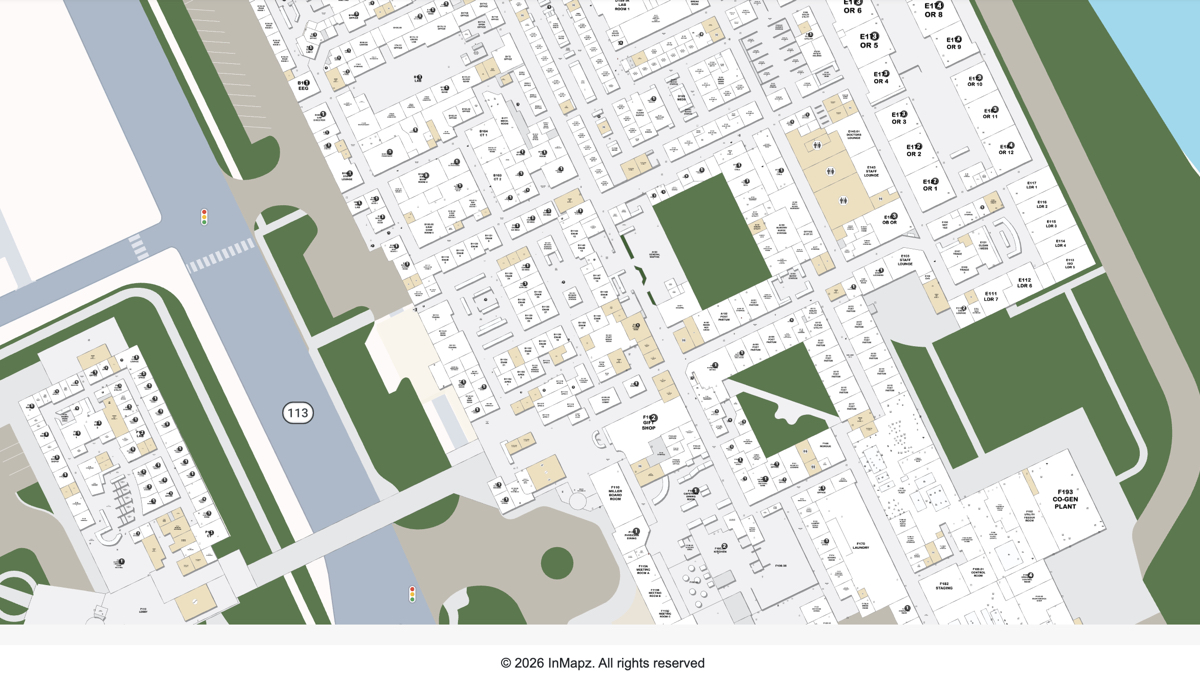
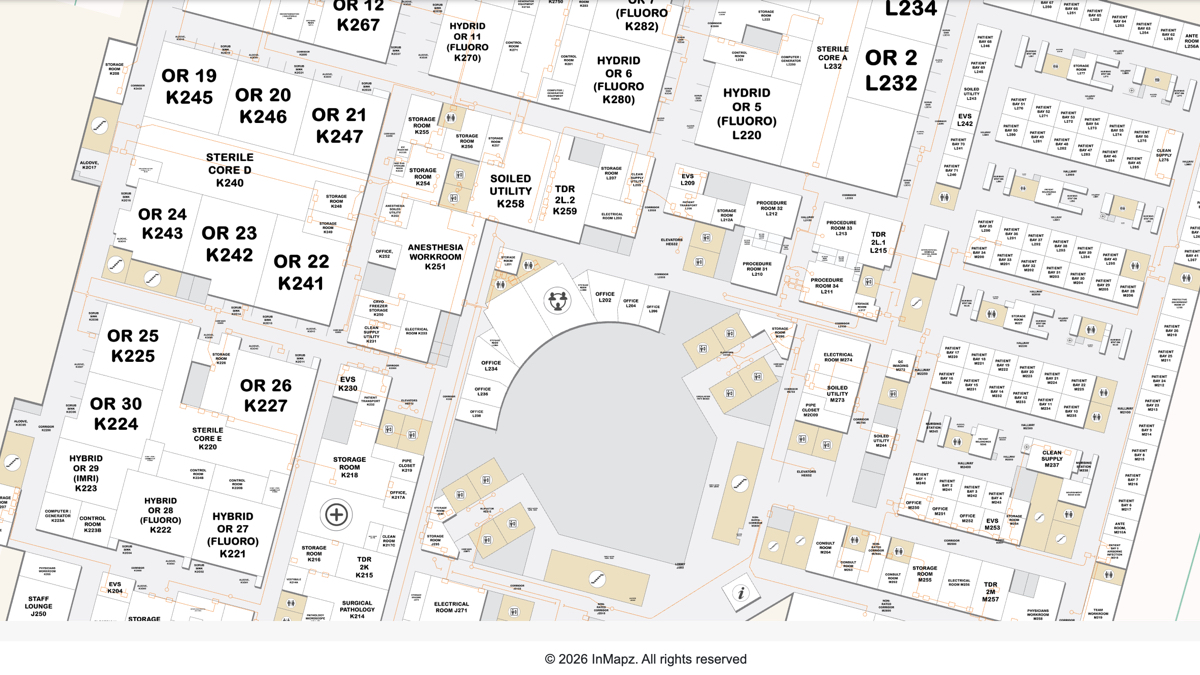
A traditional CMMS is text-and-table based: rows of work orders, drop-downs of asset names, screens you navigate by ID. InMapz X is map-first — every asset, ticket, and maintenance log is anchored to a physical location on your floor plan. When something breaks, you tap where it is, not search for what it's called.
What does InMapz X do that the indoor mapping platform alone does not?
The mapping platform locates things. InMapz X adds operational workflow on top: work order dashboards, preventative maintenance schedules, automated reminders, audit surveys, and security check-in tied to specific equipment and rooms. The map is the interface; the workflow is what makes it run your buildings.
How does the QR code workflow actually work in the field?
A technician scans the QR code on an asset with their phone camera. The InMapz map opens to that asset, surfacing its spec sheet, service history, photos, and open tickets. They log the work, attach photos, mark it done. The system updates in real time — no clipboard, no manual data entry, no waiting until they're back at the desk.
Can InMapz X work with Insta360 and LiDAR captures we already have?
Yes. InMapz X ingests Insta360 360° photos and LiDAR scans as native map layers. If your team already does spatial capture — or wants to start — the assets, dimensions, and views you capture become part of the operational map automatically.
Does InMapz X replace our existing CMMS or IWMS?
It can, or it can sit alongside. InMapz X exposes a REST API and webhooks for two-way sync with most CMMS, IWMS, and ITSM platforms. Most customers start with InMapz X as the map-and-mobile layer over their existing system, then expand as their team finds the map workflow faster than the legacy tool.
How do you handle the "2am water leak" scenario in practice?
The on-call tech opens the InMapz mobile app, searches "shutoff" or taps the affected zone, and sees every valve in that mechanical chain — with photos, spec sheets, and the last service log. Offline mode means it works in basements and tunnels where WiFi doesn't reach. The valve gets closed in minutes, not the time it takes to find a senior tech by phone.